

THE WINERY
Since 1583, the history of our winery has been intertwined with the history of our family. We invite you to learn more about it.
Valdelana Winery
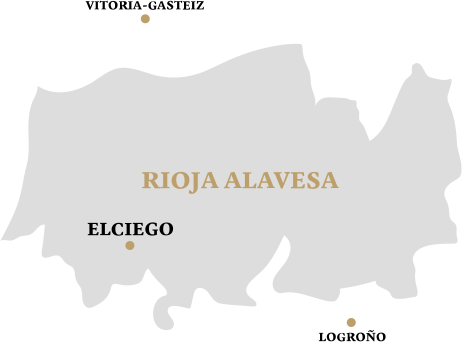
Named Best Winery in Art and Culture for the second time, Bodegas Valdelana is located in Elciego, the cradle of Rioja wine. It is a town with just over 1,000 residents situated between the cities of Logroño and Vitoria, in the region known as the Rioja Alavesa.
In addition to its wide variety of wines and olive oil, Bodegas Valdelana features two underground museums housed in 15th-century cellars. One of them traces the history of all the civilizations that have preceded us, and the other houses a wine museum where visitors can discover the hard work involved in winemaking that our ancestors undertook in the 19th century. We also offer charming rural accommodations where visitors can relax and immerse themselves in the world of wine culture.
Production
Proud of Our Wines
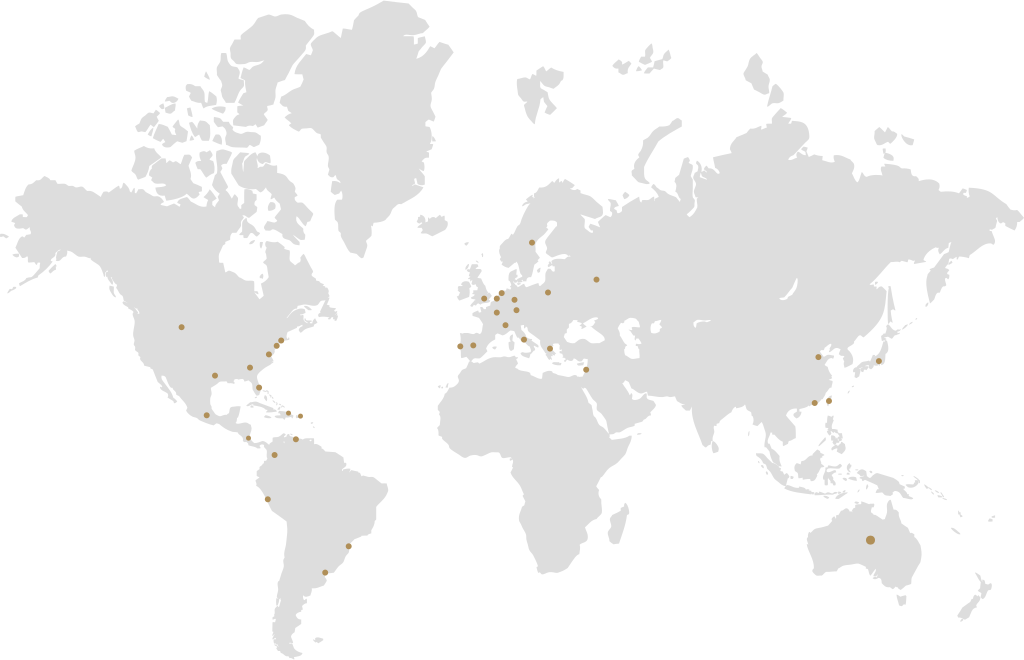
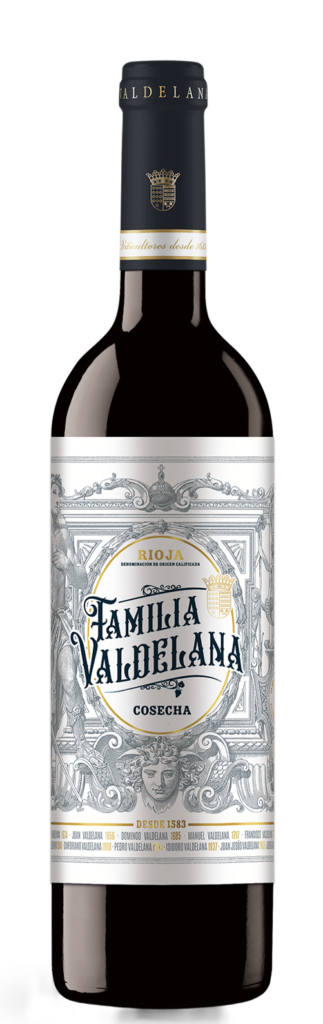
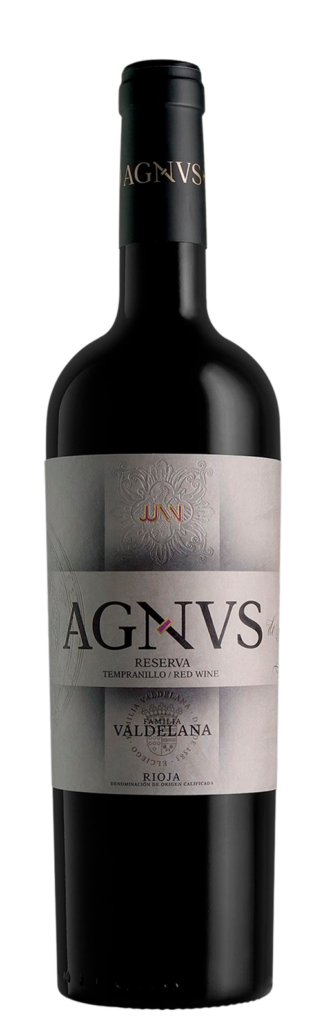
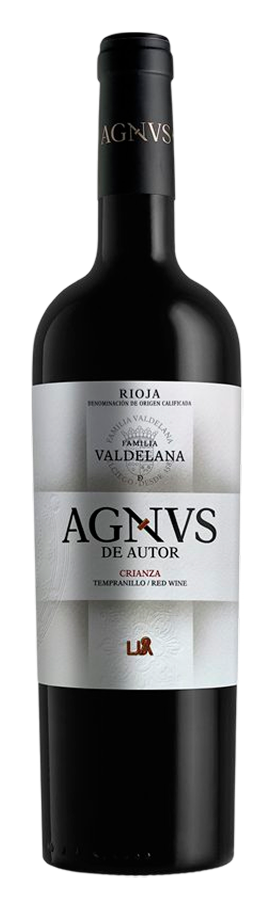
We currently operate in more than 30 countries with the wine brands Familia Valdelana, Agnvs de Autor, Viñedos Singulares, Ladrón de Guevara, and Centvm Vitis. All of them are proudly produced by the family itself.
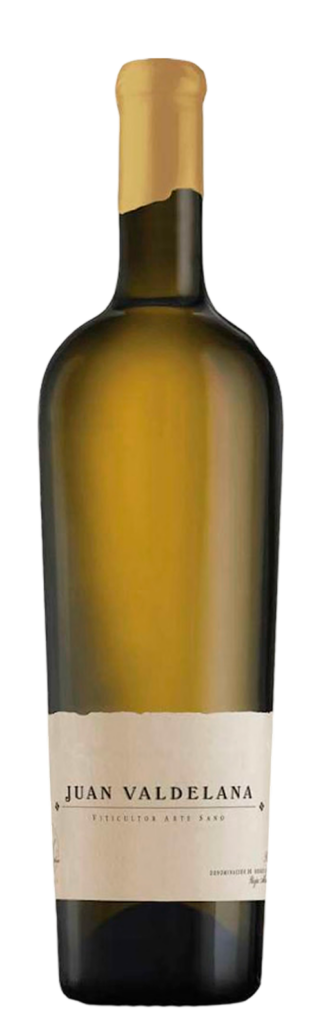
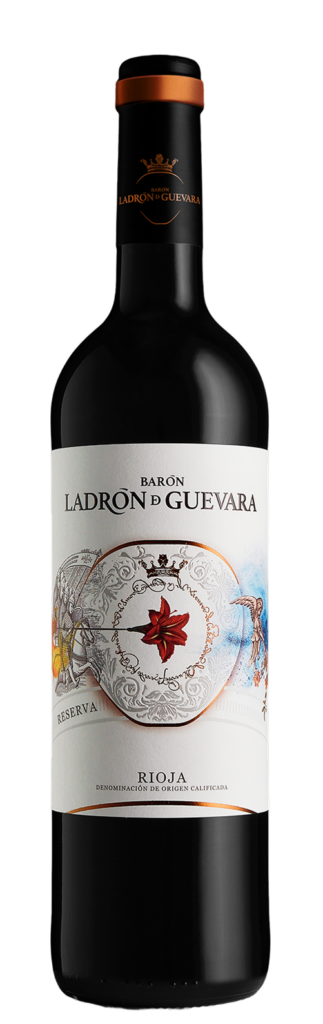
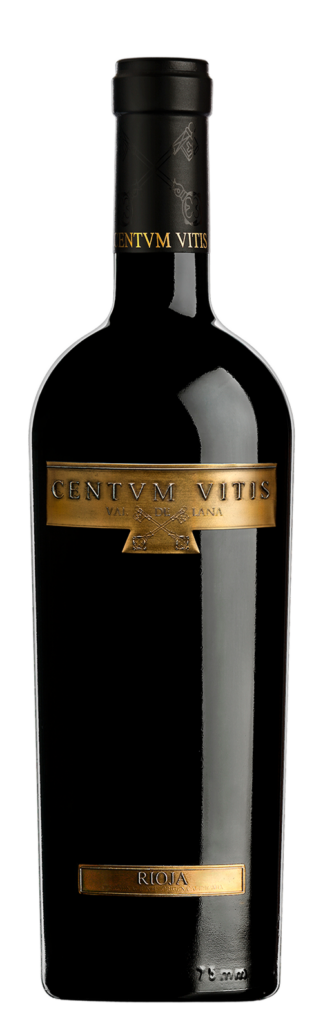
PRODUCTION
Tradition and modernity in perfect harmony
Our modern facilities are located next to our Museum Winery.
The production facility was completed in 2007, when the winery decided to build a new, fully equipped facility to keep pace with current technologies. Previously, wine was produced in the Museum Winery, built atop 15th-century cellars, which still stands today but was becoming increasingly unsuitable for the winemaking process. That is why a separate facility was built specifically for winemaking.
In this new facility, some 3,000 barrels—made from French, American, and Russian staves—are currently aging fifteen meters underground.
Grapes
Sourced from our family-owned vineyards and hand-selected, we grow a variety of grape varieties, including Tempranillo, Garnacha, Mazuelo, Graciano, Malvasía, Viura, Maturana Tinta, and some varieties that survived the phylloxera epidemic.
The barrels
Sourced from the most remote forests in France, we use barrels made of French Allier, American, and Siberian oak, where our wines rest undisturbed in absolute peace and harmony.
The Corks
Sourced from Portugal, we select corks from the finest cork oak trees. These corks ensure that our wines rest in peace.
The Facilities
Fully equipped to meet the demands of our winemaking process. We have approximately 3,000 barrels resting on staves 15 meters underground.
History of the Winery
Generation after generation, building our legacy
The Valdelana family has been making wine in the same place—our beloved Elciego—for 14 generations. But the history goes back even further th
, as there is evidence of Elciego’s existence as far back as the 1st century A.D.
It was during the 1st century A.D. when the Romans invaded the Iberian Peninsula, advancing through the Ebro River delta. When they reached the area around Elciego, they settled in the place known as “Romaneda” and there introduced two Mediterranean crops: the grapevine and the olive tree. They colonized the Sierra de Cantabria and the Sierra de Urbasa, drawing on the knowledge of a Portuguese shepherd named Viriato. Following a clash in the Lana Valley (a valley located in the Sierra de Urbasa), they killed Viriato’s daughter, whose name was Minicia. The following inscription was engraved on her tombstone: “Minicia, daughter of Viriato, lies here at the age of III years.”
All of us who are descendants of the Lana Valley bear this inscription on our family crest. The winery’s oldest document dates from November 12, 1583. This was the date on which, during the reign of Philip II, Elciego gained its independence from Laguardia. The King of Spain accepted this independence in payment of maravedíes and jugs of wine from the “Calao de la Villa.” It was in the late 14th century that our ancestors set out in search of a better life. Thus, they left the Lana Valley and crossed the Sierra de Codes, eventually settling in Elciego (Rioja Alavesa). Their love for their homeland led them to abandon their original surname, Ibarrola, and adopt the name of their beloved valley, Valdelana.
And so, in 1615, the first winemaker in our family, Pedro Valdelana, was born, and he laid the first stone of the winery—the foundation upon which we stand today.

Bodegas Valdelana Today
When we take a stroll through our childhood, we search for the places that remain
tucked away in our memories. To know our history is to understand the essence
of who we were, who we are, and who we will be.
Back in 1634, our ancestor Pedro Valdelana began making his wines in one of the cellars that we still have today. He made wine for his own consumption, preserving the characteristics of the Tempranillo that we enjoy today.
In 1950, great-grandfather Pedro Valdelana made great efforts to expand his vineyard. Later, grandfather Isidoro proudly recalls his early days in the business, when, in 1974, he released the first bottle bearing the Valdelana label.
We, the latest generation—Judit Valdelana (Director of Sales and Marketing) and Juan Valdelana (Technical Director and Winemaker)—continue with the same enthusiasm as our ancestors, expanding the reach of our wines to many corners of the world and blending family tradition with the latest trends in winemaking.
The winery is currently owned by Juan Jesús Valdelana, who entered the wine industry in 1980 by purchasing his first vineyards from a winery in Elciego, thereby expanding the family business. In 1989, he was selected, along with 14 other winemakers from the Rioja Alavesa region, to receive training in viticulture, oenology, and marketing, earning his degree in oenology in 1991. He oversaw the most recent expansions of the facility and set out to achieve new goals, drawing on the wisdom of the winegrowers in his family.
The Family
Three generations together
working side by side
Currently, three generations of our family—
—are working side by side at the winery. Let us tell you a little more about our history.
Isidoro Valdelana
PATRIARCH
Born in 1937 in Elciego (Álava). Twelfth generation of a family of winegrowers descended from the Lana Valley (Valley of Labor). He has been involved in viticulture since 1955. A rugged, strong man who, through the sweat of his brow and the steel of his tools, transformed such arid land into fertile ground. He expanded his winery in the 1970s, and his wines gained recognition in the 1980s.
Judit Valdelana
DIRECTOR OF SALES AND MARKETING
Born in 1989 in Elciego (Álava). She is the fourteenth generation of the Valdelana family. She was the first woman in the family to enter the wine industry. She studied Advertising and Public Relations at the University of Navarra. After spending a year in the United States to improve her English, she returned to Rioja and currently holds Level 3 certification from the prestigious WSET (Wine & Spirit Education Trust). In charge of the winery’s Marketing Department and National Sales Department, she is on track to continue positioning the wines produced by her father and brother in parts of the world where they have not yet been introduced.
Juan Jesús Valdelana
Owner/Winemaker
Born in 1963 in Elciego (Álava). Thirteenth generation. He studied at the monastery of San Millán de la Cogolla, where the first texts written in Spanish and Basque were composed. In 1991, he completed his studies in oenology in Laguardia, and in 1992, he released his first wine. Today, his signature wines are among the most award-winning in the country. Restless and innovative, he is always striving for perfection in his wines, both inside and outside the bottle. He has succeeded in bringing his wines to nearly every corner of the world and establishing the winery as one of the most award-winning in the country, with three “Best Of” awards to his credit. In 2017, he received the Basque Government’s award for OUTSTANDING PROFESSIONAL ACHIEVEMENT in recognition of his dedication and work to promote wine tourism in Rioja Alavesa.
Juan Valdelana
WINE MAKER AND TECHNICAL ENGINEER
Born in 1992 in Elciego (Álava). Fourteenth generation of the Valdelana family. A young winemaker, he studied enology at the University of La Rioja, where he received the highest grade for his final project in his graduating class. After completing his studies in enology, he went on to earn a degree in Agricultural Engineering, also from the University of La Rioja. Wine has flowed through his veins since birth, which is why he has spent several harvest seasons away from the winery, traveling to some of the most significant regions in the global wine industry and being fortunate enough to have crafted wines at highly prestigious wineries in subregions such as California, Tenerife, and Galicia. Currently, the winery has a promising future, as Juan is making a big impact on the current scene, positioning himself as one of the rising stars of the national winemaking world.
Isidoro Valdelana
PATRIARCH
Born in 1937 in Elciego (Álava). He is the twelfth generation of a family of winegrowers descended from the Lana Valley (the “Valley of Work”). He has been dedicated to viticulture since 1955. A rugged, strong man who, through the sweat of his brow and the steel of his tools, transformed such arid land into fertile ground. He expanded his winery in the 1970s, and his wines gained recognition in the 1980s.
Judit Valdelana
DIRECTOR OF SALES AND MARKETING
Born in 1989 in Elciego (Álava). She is the fourteenth generation of the Valdelana family. She was the first woman in the family to enter the wine industry. She studied Advertising and Public Relations at the University of Navarra. After spending a year in the United States to improve her English, she returned to Rioja and currently holds Level 3 certification from the prestigious WSET (Wine & Spirit Education Trust) program. In charge of the winery’s Marketing Department and National Sales Department, she is on track to continue positioning the wines produced by her father and brother in corners of the world where they have not yet reached.
Juan Jesús Valdelana
Owner/Winemaker
Born in 1963 in Elciego (Álava). Thirteenth generation. He studied at the monastery of San Millán de la Cogolla, where the first texts written in Spanish and Basque were composed. In 1991, he completed his studies in enology in Laguardia, and in 1992, he released his first wine. Today, his signature wines are among the most award-winning in the country. Restless and innovative, he is always striving for perfection in his wines, both inside and outside the bottle. He has succeeded in bringing his wines to nearly every corner of the world and establishing the winery as one of the most award-winning in the country, with three “Best Of” awards to his credit. In 2017, he received the Basque Government’s award for OUTSTANDING PROFESSIONAL ACHIEVEMENT, in recognition of his dedication and work to promote wine tourism in Rioja Alavesa.
Juan Valdelana
WINEMAKER AND TECHNICAL ENGINEER
Born in 1992 in Elciego (Álava). Fourteenth generation of the Valdelana family. A young winemaker, he studied oenology at the University of La Rioja, where he received the highest grade for his final project in his graduating class. After completing his studies in enology, he went on to earn a degree in Agricultural Engineering, also at the University of La Rioja. Wine has flowed through his veins since birth, so he has spent several harvest seasons away from the winery, traveling to some of the most significant regions in the global wine industry and being fortunate enough to have crafted wines at highly prestigious wineries in subregions such as California, Tenerife, and Galicia. Currently, the winery has a promising future, as Juan is making a big impact on the current scene, positioning himself as one of the rising stars of the national winemaking scene.
Production
Awards Received
You can always go further by working as a team, and that’s our philosophy. In fact, by working together, we’ve managed to go far and position our wines in the most prestigious competitions on the national and international scene.
THE VINEYARDS
It all starts here
The earliest reference to wine that has survived to this day dates back to the Old Testament, specifically to Noah. In Egypt, Greece, and Rome, Dionysus or Bacchus was already being worshipped; the Bible tells us about Jesus’ Last Supper, in which his blood was symbolized. We know that in China, 4,000 years ago, people were already familiar with the process of grape fermentation, and that viticulture existed in Egypt as early as the 4th century B.C.
A unique product born of a special land
Wine is like a melody; the grape varieties are the notes, the climate is the chords, and the winemaker is the composer, hoping you’ll enjoy the songs that
creates for you.
Features
It all starts here
The Valdelana family has been making wine in the same place—our beloved Elciego—for 14 generations. But the history goes far beyond wine production,
as there is evidence of Elciego’s existence as far back as the 1st century A.D.
The characteristics of the region are what make our products so special—and,
, so highly acclaimed—just like the land where they’re produced: the Rioja Classification Designation of Origin.
Key Features of the Area
Rioja Alavesa is a wine-growing region with a high concentration of quality vineyards. Distinct in its natural characteristics and with its own unique personality, it constitutes a single geographical, climatic, topographical, ecological, edaphic, and scenic unit. The situation is identical from a cultural, historical, sociological, and agronomic perspective.
Soil Type
Our soil is clay-limestone; it is the cornerstone of quality. It is the hardest to work with, the poorest in nutrients, but it produces the best wines. A great wine requires poor, lightly fertilized soils and old vines—fertility is not necessary.
Climate
The microclimate that characterizes our vineyards is primarily Mediterranean, with Atlantic influences and hints of a continental climate. This is the key factor: a dry, sunny climate.
Sunlight Hours
The location provides the fruit with plenty of sunshine; the south-facing orientation of the vineyards nestled on the foothills of the mountain range ensures maximum exposure to summer sunlight.
Grape Varieties
The experience of winegrowers and the passage of time have led to a natural selection of grape varieties that demonstrated the best adaptability and were capable of producing high-quality wines. E 80% of the wine we produce is made from the Tempranillo grape variety. Other varieties we primarily grow include Viura, Malvasia, Mazuelo, and Graciano.
Vineyards
Rioja Alavesa combines the factors that promote optimal ripening of high-quality vinifera grapes, with one of the lowest rainfall levels and one of the highest levels of sunshine in Europe’s wine-growing regions, along with low yields per harvest.
Grape Harvest
The harvest takes place between September and October, when the grapes reach optimal ripeness. The entire harvest is done by hand, with teams of 25 people per vineyard, and the grapes undergo an initial selection in the field.
Location
A prime location
It was the Romans in the 1st century A.D. who entered Spain through the Ebro River delta, introducing two woody crops: the grapevine and the olive tree. They reached as far as the Ebro River was navigable, in La Rioja, where they planted the first vineyards and olive groves.
From then until now, 20 centuries later, we continue to cultivate those grapes and
those olive trees that they gave us.
Vineyards
Hectares
Grape Varieties
Experiences
Enjoy unforgettable experiences in our vineyards
Dare to step into our “Garden of Varieties.” A viewpoint located above a bend in the Ebro River, where, among other things, you can enjoy a traditional Riojan meal paired with our wines or immerse yourself in our most award-winning experience: the Star Pairing.
At Bodegas Valdelana, we offer a wide range of wine tourism services. Above all, we recommend that anyone passing through the area visit our Garden of Grape Varieties, a landscaped area atop a hill next to the village, offering spectacular views of the Ebro River and the surrounding region.
In the summer, we also host our award-winning “Stellar Pairings” at this venue—evening outdoor tastings that explore the close relationship between wine and astrology. As the sun sets, we sample local culinary delights while enjoying string music throughout the evening. Once the stars begin to appear, using a mobile device to pinpoint the coordinates and a long-range laser, Juanje marks the four stars and one constellation that guided Greco-Roman winemakers in their viticultural work. All of this is accompanied by our wines.
Our greatest legacy
Centvm Vitis, a unique wine
from a century-old vineyard
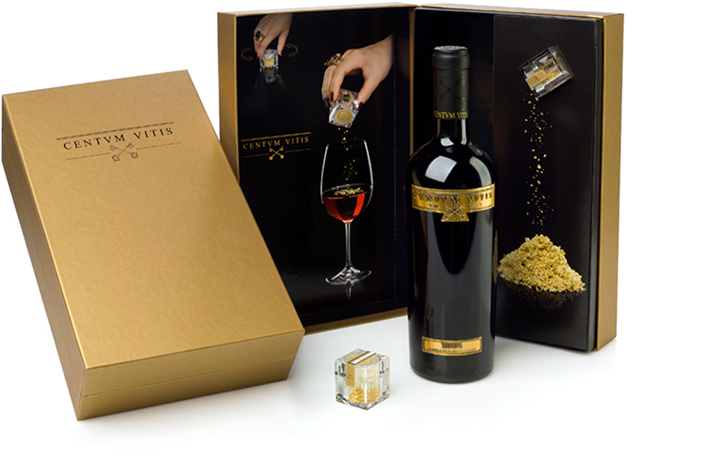
Centvm Vitis is Bodegas Valdelana’s most prestigious wine, the key to unknown doors that would never have opened without it. It is a unique wine made from century-old vines located on a small hillside west of Elciego, in the municipality of Santa Cruz.
To understand it better, it is essential to discuss phylloxera. Phylloxera is an insect that caused a pest outbreak that affected vineyards around the world. Its life cycle differs depending on whether the vines are American (it attacks the roots and leaves) or European (it attacks only the roots). Phylloxera was introduced to Europe in 1863, and by the end of the 19th century, most of Europe’s vineyards had been destroyed. It reached Spain in 1877, with Girona and Málaga being the first areas affected. In June 1899, it began to spread through La Rioja, and by the summer of 1904, the entire region was infected. Since phylloxera originates from North America, the native species in that part of the world are at least partially resistant to the disease. A great deal of research was conducted to find a solution to the problem. The method that proved successful—and is still used today—involves the use of resistant rootstocks from American grapevines (Vitis labrusca, rupestri, riparia, etc.), onto which European grapevine varieties (Vitis vinifera) are grafted.
The Valdelana family owns a small estate called Santa Cruz, which—fortunately for wine lovers—survived this plague, and it is believed that this was due to the nature of the soil where it is located. The Santa Cruz area has clay-limestone soil—a very poor soil with low permeability—which is why the roots of these vines have a very shallow root system. The land where this vineyard is located has a very steep slope. As a result, permeability is even lower, since water tends to run off very quickly.
We believe these two reasons were sufficient to prevent this deadly insect (phylloxera) from finding a suitable food source. This effect is clearly visible around these vines, where once the entire area was covered in vineyards, and today only a few timeless vines remain—witnesses to the evolution of winemaking and the landscape of Elciego.
For four generations, these century-old vines have been meticulously tended by the Valdelana family, who know that their fruit embodies the highest quality. Each year, the small clusters from the old vines are harvested by hand, and the resulting must is crafted with great care. Aged for 10 months in French Allier oak barrels, this tannic, well-rounded, aromatic wine, with its pure fruit character, showcases its pristine quality.
To celebrate the survival of these grape varieties, we’ve paired it with edible gold petals. This brings together two natural antioxidants that originate from the very depths of the earth: wine and gold. It became, in its day, the world’s first wine to be paired with edible gold petals, thereby enhancing the vasodilatory properties that wine already possesses.
6 brands, the same spirit,
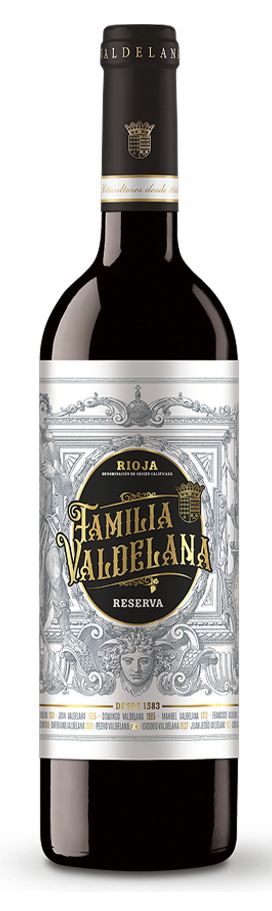
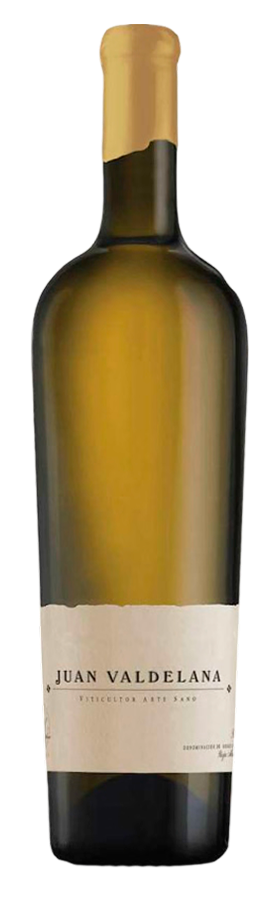
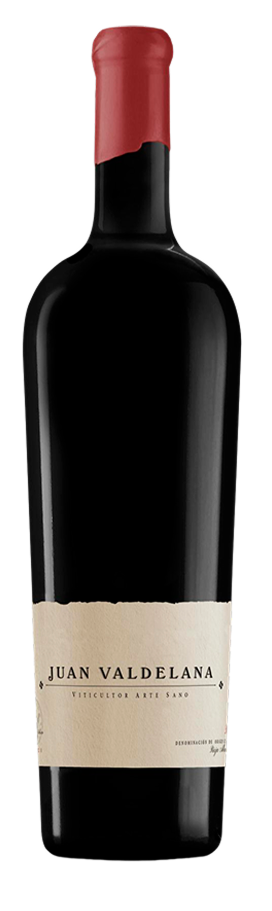
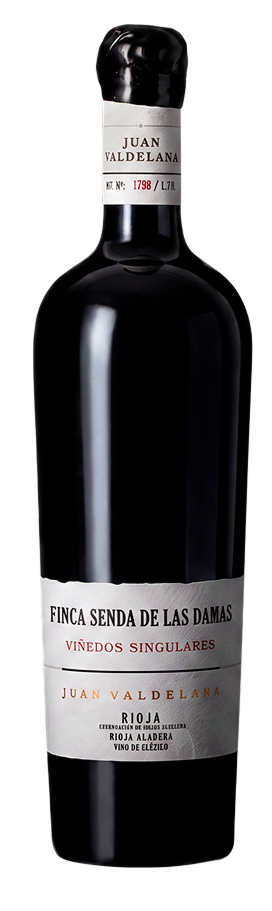
Soul, terroir, and heroic viticulture. Our most award-winning wines
Discover the rest of our selection. Our wines are a tribute to the fifteen generations that have come before us. To our grandparents, who taught us how to work the land; to our father, who is our greatest teacher—a man of incredible energy; and to you.
ACCOMMODATION
Would you like to spend a few unforgettable days in the Rioja Alavesa?
Come enjoy a getaway at a 15th-century winery, where tradition and modernity
come together to offer you a unique experience.